When you’re managing a construction project, landscaping job, extension, or large-scale excavation, waste removal quickly becomes one of the biggest logistical challenges. Knowing exactly what a muck away lorry can take — and just as importantly, what it can’t — helps you avoid delays, unexpected costs, and compliance issues.
Many projects stall simply because the wrong waste removal method was booked. Loads get rejected, additional collections are required, or hazardous materials are discovered too late. With proper planning, all of this is avoidable.
This guide explains everything you need to know about muck away services, including which materials are accepted, what must be handled separately, how contamination affects disposal, and how to prepare your site for efficient removal. Whether you’re a homeowner digging out a driveway or a contractor overseeing groundworks, consider this your practical reference for smoother, safer waste clearance.
What Is a Muck Away Lorry?
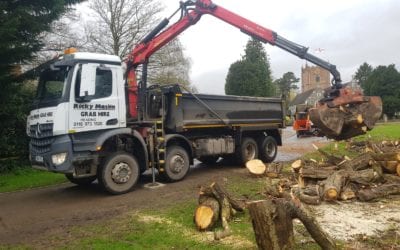
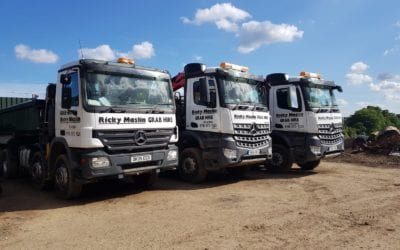
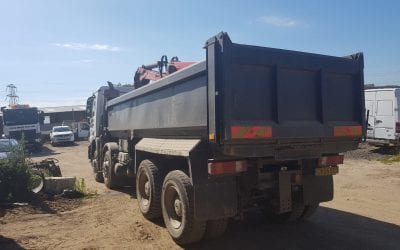
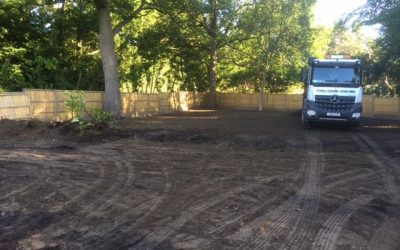
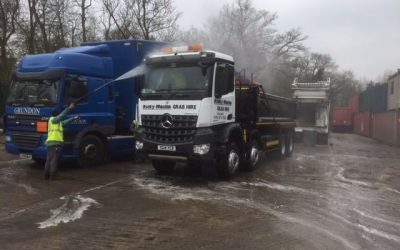
A muck-away lorry is a heavy-duty vehicle designed specifically to remove large quantities of waste directly from a site. Unlike skip hire, where waste is gradually filled over time, muck away services typically involve rapid loading and immediate transport to a licensed disposal or recycling facility.
These vehicles are commonly used across:
- Construction sites
- Groundworks projects
- Landscaping developments
- Basement excavations
- Roadworks
- Property extensions
The key advantage is efficiency. Instead of organising labour to load materials manually, waste is collected in bulk, reducing the number of journeys. This keeps sites cleaner, safer, and more productive.
Another major benefit is flexibility. Muck-away vehicles can handle significant volumes, making them ideal when waste is being generated continuously or in large quantities.
For time-sensitive projects, this speed can make a measurable difference to your schedule.
Why Material Type Matters
Not all waste is treated equally. Disposal facilities categorise materials carefully because different waste streams require different handling methods, processing equipment, and environmental safeguards.
Bringing the wrong type of waste onto a vehicle can lead to rejected loads, additional fees, or legal complications.
Legal responsibilities
Under UK waste regulations, anyone producing waste has a duty of care to ensure it is stored, transported, and disposed of responsibly. This means confirming that materials are accurately described before removal.
Failure to do so can result in fines or enforcement action.
Health and safety considerations
Certain materials pose risks during transport. Hazardous substances, contaminated soil, and chemical waste must be handled by specialist operators equipped to manage them safely.
Cost implications
Disposal pricing varies widely depending on the material. Clean soil is relatively inexpensive to process, while mixed construction waste costs more due to sorting requirements. Hazardous waste is at the top end due to strict treatment protocols.
Understanding these differences helps you budget accurately and prevents unpleasant surprises.
Materials a Muck Away Lorry Can Take
While acceptance varies slightly among providers, most muck-away services are equipped to remove a broad range of non-hazardous construction and excavation materials.
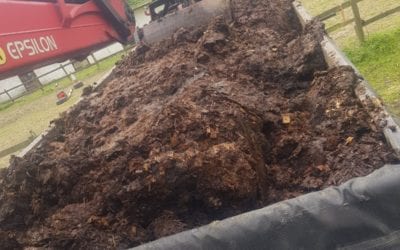
Soil and Earth
One of the most commonly transported materials is soil. This includes:
- Topsoil
- Subsoil
- Clay
- Chalk
These materials are typically generated during foundation digging, trenching, landscaping, and site levelling.
Clean soil is particularly valuable because it can often be reused in land restoration or engineering projects. However, it must be free from contaminants such as chemicals, plastics, or organic waste.
If soil is mixed with other debris, it may be reclassified as mixed waste, which usually costs more to dispose of.
Hardcore and Rubble
Hardcore refers to dense construction materials such as:
- Broken concrete
- Bricks
- Blockwork
- Stone
- Old paving slabs
These materials are widely accepted because they can be crushed and recycled into aggregates for future construction use.
Recycling reduces reliance on landfills and supports more sustainable building practices.
For best results, keep hardcore separate from lighter materials where possible. Cleaner loads are quicker to process and often cheaper to remove.
Inert Materials
“Inert” waste describes materials that do not chemically react or decompose. Examples include:
- Sand
- Gravel
- Rocks
- Ceramics
Because these materials remain stable over time, they present minimal environmental risk.
Their predictable composition makes them easier to recycle or repurpose, which is why muck-away services readily accept them when uncontaminated.
Brickwork and Masonry Debris
Demolition and structural alterations frequently generate masonry waste, such as mortar fragments, rendered blocks, and brick structural remains.
These materials are ideal for mechanical processing and reuse.
Again, separation matters. Keeping masonry free from timber, plastics, or insulation ensures smoother disposal.
Mixed Construction Waste (Sometimes Accepted)
Some providers accept mixed loads containing soil, rubble, and construction debris, provided there is no hazardous content.
However, mixed waste is more labour-intensive to sort, so disposal charges are typically higher.
If possible, separating materials onsite can significantly reduce your overall removal costs.
Materials a Muck Away Lorry Cannot Take
Understanding restrictions is just as important as knowing what is accepted.
Hazardous Waste
Hazardous materials require specialist handling and should never be loaded onto a standard muck-away vehicle.
These include:
- Asbestos
- Chemical containers
- Solvents
- Oils and fuels
- Contaminated soil
- Batteries
Transporting hazardous waste without proper licensing is illegal and dangerous.
If you suspect contamination, arrange for a professional assessment before booking removal.
Wet or Organic Waste
Large volumes of organic matter are often unsuitable for muck away services, including:
- Food waste
- Saturated soil
- Heavy vegetation
- Peat
Excess moisture can significantly increase weight, potentially exceeding vehicle limits.
Organic materials may also require composting or specialised treatment rather than standard disposal.
Controlled Waste Streams
Certain items fall under tightly regulated waste categories, such as:
- Medical waste
- Electrical equipment
- Paints
- Tyres
- Gas cylinders
These must follow dedicated recycling or disposal routes.
Including them in general construction waste can lead to rejected loads and additional transport costs.
How Contamination Affects Acceptance
A key factor in waste classification is contamination.
“Clean” waste contains only one material type. For example, pure clay or crushed concrete.
“Contaminated” waste might include soil mixed with plastics, insulation, or chemical residues.
Even small amounts of the wrong material can change the disposal category — and the price.
How to minimise contamination
- Store different waste streams separately
- Use clearly marked piles
- Avoid sweeping general rubbish into soil heaps
- Communicate expectations to site workers
A little organisation upfront can produce substantial savings later.
Estimating Your Waste Volume
Accurate volume estimation helps you book the right vehicle and avoid repeat visits.
A simple formula is:
Length × Width × Height = Cubic Metres
For example, a pile measuring 4m by 2m by 1m equals 8 cubic metres.
If the shape is uneven, round up. Underestimating usually costs more than allowing a small buffer.
Many providers welcome photos before quoting — this allows them to recommend the correct vehicle size and pricing structure.
Site Assessment: Access and Logistics
Even if your waste is suitable, poor site access can complicate collection.
Access constraints
Check for:
- Narrow roads
- Low bridges
- Tight gateways
- Restricted parking
Ensuring a clear entry saves valuable time on collection day.
Ground conditions
Heavy vehicles require stable surfaces. Soft ground can shift under weight, creating safety risks.
Protective boards or temporary trackways may help distribute the load.
Safety preparation
Before arrival:
- Remove obstacles
- Mark fragile areas
- Keep pedestrians clear
- Provide clear instructions
Preparation supports faster, safer loading.
What Influences Muck Away Costs?
Pricing depends on several interconnected factors.
Waste type
Clean, inert materials cost less to process than mixed waste. Hazardous materials sit in a completely different pricing bracket due to strict regulations.
Volume
Larger loads increase total cost but often reduce the price per cubic metre thanks to transport efficiency.
Accessibility
Difficult access can extend loading time or require specialist vehicles, increasing charges.
Location
Distance from disposal facilities impacts fuel and travel costs.
Market conditions
Tipping fees fluctuate based on landfill taxes and recycling demand, so prices may shift over time.
When comparing quotes, consider reliability and compliance — not just the headline price.
Environmental and Legal Considerations
Responsible waste disposal protects both your project and the wider environment.
Always ensure your provider supplies waste transfer documentation confirming where materials are taken.
Proper recycling reduces landfill usage and supports more sustainable construction practices.
Illegal dumping carries severe penalties and reputational damage, so working with licensed operators is essential.
Environmental responsibility isn’t just good practice — it’s a legal obligation.
Practical Examples
Large Driveway Excavation
A residential driveway dig produced roughly 14 cubic metres of clean soil and broken concrete. Because the materials were separated, both were recycled efficiently, keeping disposal costs relatively low.
Garden Clearance
A property clearance generated soil mixed with heavy vegetation. Once separated on-site, the soil was removed via muck away, while the organic waste was sent for composting to prevent reclassification as mixed waste.
Commercial Groundworks
A building site implemented strict sorting zones from day one. Clean loads meant fewer delays, predictable pricing, and faster turnaround throughout the project.
Planning paid off.
What We Get Asked…
Can muck away lorries take asbestos?
No — asbestos requires specialist licensed removal.
Do I need to separate materials?
It’s highly recommended. Separation often lowers disposal costs.
What happens if waste is misdeclared?
Loads may be rejected or reclassified with additional charges.
How do I know if my soil is contaminated?
If there’s any doubt, arrange testing before removal.
Is muck away better than skip hire?
For large volumes, it is usually faster and more efficient.
Only if vehicles must operate in restricted public areas.
Tips for a Smooth Muck Away Experience
- Take clear photos before requesting a quote
- Estimate volume carefully
- Separate materials wherever possible
- Confirm no hazardous waste is present
- Ensure safe, clear access
- Book slightly ahead to secure availability
A proactive approach prevents last-minute complications.
Our Final Say!
Knowing what materials a muck-away lorry can and cannot take is fundamental to keeping your project on track. Clean soil, hardcore, inert waste, and masonry are typically suitable, while hazardous and controlled materials demand specialist handling.
By sorting waste properly, accurately estimating volumes, and preparing your site in advance, you can avoid delays, control costs, and maintain compliance with environmental regulations.
When in doubt, seek professional guidance before booking. A short conversation with an experienced provider can save time, money, and unnecessary stress.
Plan ahead, stay organised, and your waste removal process will be efficient from start to finish.