Grab lorries have become one of the most efficient and convenient ways to remove large volumes of waste from construction sites, landscaping projects, home renovations, and demolition work. Instead of spending days filling a skip manually, a grab lorry can often clear substantial amounts of material in a single visit — saving time, labour, and disruption.
However, knowing exactly what you can and cannot load into a grab lorry is essential. Incorrect waste classification can lead to rejected loads, additional charges, project delays, and even legal complications. UK waste regulations impose a duty of care on anyone producing waste, requiring it to be handled responsibly from start to finish.
This guide explains everything you need to know, including which materials are typically accepted, which are restricted, how to prepare your waste properly, and what factors influence pricing. Whether you’re a homeowner clearing a garden or a contractor managing site waste, understanding these fundamentals will help ensure a smooth and compliant removal process.
What Is a Grab Lorry?
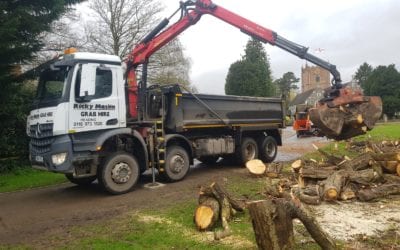
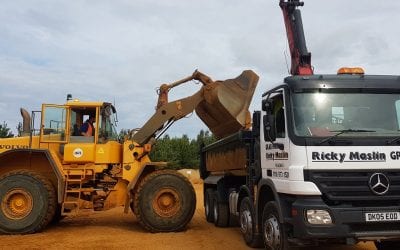
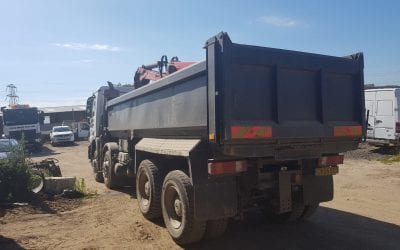
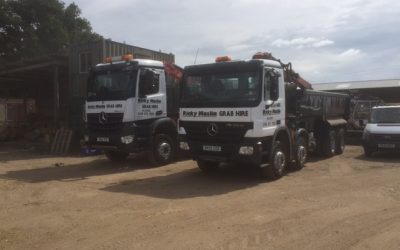
A grab lorry is a heavy-duty vehicle equipped with a hydraulic arm and bucket that quickly and safely collects and transports large quantities of waste. The grab arm can usually reach several metres from the vehicle, allowing materials to be lifted over fences, walls, or other obstacles without manual loading.
This makes grab hire particularly useful where space is limited or when waste is too heavy to move by hand.
Typical projects that benefit from grab lorries include:
- Driveway excavations
- Foundation digging
- Garden clearances
- Demolition work
- Landscaping projects
- Site strip-outs
Compared to skip hire, grab lorries often provide faster clearance because there is no waiting period while waste accumulates. Once loaded, the material is transported directly to a licensed recycling or disposal facility.
For projects operating on tight timelines, that efficiency can make a significant difference.
Why It Matters What You Load
Understanding what belongs in a grab lorry isn’t just about convenience — it affects compliance, safety, and overall project cost.
Legal and Environmental Responsibility
UK waste regulations require producers to ensure their waste is stored, transported, and disposed of correctly. This includes confirming that materials are accurately described before collection and that they are handled by authorised carriers.
Keeping proper documentation, such as Waste Transfer Notes, protects you if questions arise about where your waste ends up.
Improper disposal can result in substantial fines, so it pays to get it right.
Safety Considerations
Certain materials present hazards during transport. Mixing prohibited items with general waste can pose risks to operators, processing facilities, and the environment.
Hazardous substances, liquids, and contaminated materials require specialist handling — they should never be included in standard grab loads.
Safe loading practices protect everyone involved in the removal process.
Cost Implications
Waste type directly influences disposal charges. Clean, inert materials are usually cheaper to process than mixed loads, while hazardous waste sits at the highest end of the pricing scale due to strict treatment requirements.
If prohibited materials are discovered after collection, loads may be reclassified — often leading to additional fees.
Clear waste separation is one of the easiest ways to control costs.
Materials You Can Load Into a Grab Lorry
While acceptance varies slightly between providers, most grab lorries are equipped to handle a broad range of non-hazardous waste generated during building and landscaping projects.
Excavated soil is one of the most commonly removed materials. This includes:
- Topsoil
- Subsoil
- Clay
- Chalk
- Turf
Clean soil can often be reused in land restoration or engineering projects, making it relatively straightforward to process.
However, soil must be free from contaminants such as chemicals, plastics, or construction debris. If mixed with other materials, it may be reclassified as mixed waste, which increases disposal costs.
When possible, keep soil in a dedicated pile to simplify removal.
Hardcore and Rubble
Dense construction materials are ideal for grab collection because they are heavy and difficult to move manually.
Examples include:
- Broken concrete
- Bricks
- Blockwork
- Stone
- Old paving slabs
These materials are frequently recycled into aggregates for future construction use, supporting more sustainable building practices.
Separating hardcore from lighter debris helps ensure efficient processing.
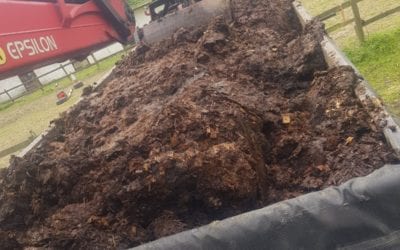
Green Waste
Grab lorries can often remove moderate volumes of organic material, such as:
- Branches
- Hedge trimmings
- Shrubs
- Turf
However, heavily saturated or mixed green waste may require alternative disposal routes. Excess moisture adds weight and can complicate transport.
Checking acceptance criteria beforehand is always advisable.
General Construction Waste
Some mixed construction debris is typically acceptable, provided it contains no hazardous elements.
This might include:
- Tiles
- Ceramics
- Plaster
- Non-contaminated rubble
Because mixed loads require additional sorting, they usually cost more to dispose of than clean, segregated materials.
Organising waste onsite can deliver noticeable savings.
Aggregates and Clean Fill
Loose materials such as sand, gravel, and stone are generally suitable for grab removal when uncontaminated.
These inert materials present minimal environmental risk and are often reused or recycled.
Again, cleanliness is key — contamination changes the disposal category.
Materials You Cannot Load Into a Grab Lorry
Knowing what is prohibited is just as important as understanding what is accepted.
Hazardous Waste
Hazardous materials must be handled by licensed specialists and should never be included in standard grab loads.
This category typically includes:
- Asbestos
- Chemical containers
- Solvents
- Oils and fuels
- Paint products
- Batteries
Transporting hazardous waste without proper authorisation is illegal and dangerous.
If you suspect contamination, arrange a professional assessment before booking removal.
Contaminated Materials
Soil or rubble that has been exposed to chemicals, oils, or hazardous substances often requires specialist treatment.
Even small traces can alter the waste classification.
Testing may be necessary to determine the correct disposal route.
Liquid Waste
Grab lorries are not designed to carry liquids such as:
- Slurry
- Wastewater
- Oil
- Liquid chemicals
These materials require tanker services or specialised collection methods.
Electrical and Electronic Waste
Items such as appliances, wiring, and batteries fall under specific recycling regulations. They must follow dedicated disposal streams rather than general construction waste routes.
Other Controlled Waste Streams
Certain materials are tightly regulated and typically excluded from grab loads, including:
- Medical waste
- Gas cylinders
- Tyres
- Some plasterboard products
Always confirm acceptance with your provider before loading.
How to Classify and Prepare Your Waste
Preparation is one of the most effective ways to avoid delays and control disposal costs.
Separate materials wherever possible
Clean loads are processed more quickly and often more cheaply.
Use clearly defined piles
This reduces confusion during collection.
Take photos before requesting a quote
Visual references help providers recommend the correct service.
Communicate early
If you’re unsure about any material, ask in advance rather than risk reclassification.
A little organisation goes a long way.
How Waste Type Affects Pricing
Several factors influence grab hire costs.
Waste Category
Inert materials usually cost less to process than mixed waste. Hazardous materials sit in a completely different pricing bracket.
Volume and Weight
Heavier materials may reach vehicle weight limits before the available space is filled.
Segregation
Sorted waste is typically cheaper than mixed loads, which require additional labour.
Access Conditions
Restricted access can extend loading time and increase charges.
Disposal Fees
Facilities charge tipping fees that fluctuate depending on landfill taxes and recycling demand.
Comparing quotes based on service quality — not just price — helps ensure reliable removal.
Site Safety and Loading Best Practices
Maintaining safe conditions during collection protects both workers and operators.
- Keep a safe distance from the grab arm during operation
- Wear appropriate PPE
- Avoid overloading piles
- Remove sharp protrusions where possible
- Ensure clear communication with the driver
- Manage pedestrian and vehicle traffic nearby
Safe sites are efficient sites.
What We Get Asked…
Can I load soil with roots?
Often yes, but excessive organic content may affect classification.
Is plasterboard accepted?
Acceptance varies — always confirm beforehand.
What if my waste is mixed?
Mixed loads are usually accepted but may incur higher costs.
How far can the grab arm reach?
Most arms extend several metres, allowing collection over obstacles.
Do I need to be present?
Not always, provided access and instructions are clear.
What happens if prohibited items are found?
The load may be rejected or reclassified with additional fees.
Our Final Say!
Grab lorries provide a fast, reliable solution for removing large volumes of waste — but success depends on knowing what can and cannot be loaded. Clean soil, hardcore, aggregates, and many construction materials are typically suitable, while hazardous, liquid, and controlled wastes require specialist handling.
By separating materials, preparing your site, and confirming acceptance ahead of time, you can avoid delays, manage costs, and stay compliant with UK regulations.
When in doubt, seek professional advice before booking. A short conversation with an experienced provider can prevent complications and ensure your waste removal runs smoothly from start to finish.