Choosing between grab hire and skip hire sounds simple until you are stood on site with a growing pile of rubble, soil, or mixed waste — and you need it gone without slowing the job down. Both options work. The right choice depends on how your waste is produced, how quickly you need it removed, what access you have, and what the waste actually is.
This guide breaks it down clearly, with real-world scenarios and a simple decision checklist at the end.
What Is Skip Hire?
Skip hire is the traditional waste removal option. A skip is delivered to your property or site, you fill it over time, and it is collected when you are ready. Skips are popular for projects where waste builds up gradually, such as home renovations, extensions, and general clear-outs.
When Skip Hire Makes Sense
- You are working over several days or weeks and want waste contained on site.
- You can load waste yourself or already have labour available.
- You have space for a skip to sit safely.
- Your waste is mixed and flexibility is important.
Skip hire works well when you want steady disposal without time pressure.
What Is Grab Hire?
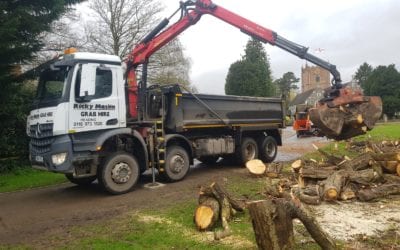
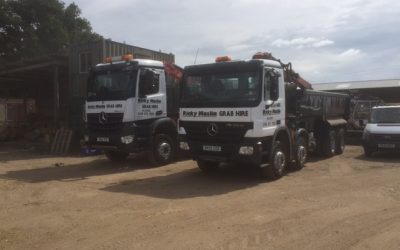
Grab hire uses a specialist lorry fitted with a hydraulic arm. The vehicle arrives, loads your waste quickly using the grab arm, and removes it in a single visit. It is commonly used for soil, hardcore, rubble, concrete and bulky materials.
When Grab Hire Makes Sense
- You have a pile of waste ready to go.
- The job produces heavy waste quickly, such as driveway removal or landscaping dig-outs.
- You want waste removed in minutes rather than days.
- You would rather avoid the manual labour of loading a skip.
Grab hire is often chosen for speed, efficiency, and heavy materials.
Grab Hire vs Skip Hire: Key Differences
Speed and Convenience
Grab hire is usually faster. The lorry can arrive, load, and leave in one visit. This is ideal if your project cannot progress until waste is cleared. Skip hire gives you flexibility because you can fill it gradually.
Loading Effort
Skip hire typically involves manual loading with wheelbarrows or lifting materials by hand. Grab hire removes that effort, as the hydraulic arm handles the heavy lifting. This makes a big difference for rubble, concrete and soil.
Space and Access
Skip hire requires space to position the skip. Grab hire requires enough access for the lorry to park and operate the arm safely. Overhead cables, narrow roads, or limited turning space can influence the decision.
Permits and Restrictions
If a skip is placed on a public road, a permit is usually required. Grab lorries do not normally require a permit if they are simply stopping to load and not leaving equipment behind, although safe access remains essential.
Cost Considerations
When comparing prices, consider more than the headline figure.
For skip hire:
- Permit fees if required.
- Extra charges for overfilling.
- Possible need for multiple skips.
For grab hire:
- Waste type and weight.
- Distance to disposal facilities.
- Site access and loading time.
Sometimes grab hire appears more expensive initially but proves more cost-effective when labour and time savings are considered.
How to Decide: Four Practical Questions
How Is Your Waste Produced?
If waste appears gradually over time, skip hire may suit your project better. If waste is created in bulk at once, grab hire is often the more efficient option.
What Type of Waste Do You Have?
Heavy, inert waste such as soil and concrete is ideal for grab hire because manual loading can be slow and physically demanding. Mixed household or renovation waste can often suit skip hire.
What Access Do You Have?
If a lorry can safely park nearby and reach the waste, grab hire works well. If access is limited but you have space for a skip within your property, skip hire may be more practical.
How Quickly Must It Be Removed?
If progress depends on immediate clearance, grab hire offers a fast solution. If timing is flexible, a skip provides ongoing convenience.
Real-World Examples
Garden Landscaping Project
Large amounts of soil and broken paving need removal quickly.
Best option: Grab hire.
The waste is heavy and produced all at once, making mechanical loading ideal.
Kitchen Renovation
Waste appears gradually over several days — packaging, units, plasterboard.
Best option: Skip hire.
You can load the skip as work progresses without needing everything ready at once.
Driveway Replacement
Concrete and hardcore are removed in large quantities.
Best option: Grab hire.
Heavy materials and speed requirements make a grab lorry efficient.
Limited On-Site Space
No driveway and limited access.
Best option: Depends on access conditions. If a grab lorry can stop safely, it may still work. Otherwise, a skip with the correct permit could be required.
Environmental Considerations
Whichever option you choose, responsible disposal is essential. Reputable providers ensure waste is processed correctly and recycled where possible, particularly with inert materials. Always use a legitimate waste carrier to avoid legal and environmental issues.
Quick Decision Guide
Choose grab hire if:
- Your waste is heavy.
- You need fast removal.
- You can create a clear pile for collection.
- You want to reduce manual labour.
Choose skip hire if:
- Waste is produced gradually.
- You want a container on site.
- Access limits grab lorry use.
- Flexibility is more important than speed.
Final Thoughts
Both grab hire and skip hire are effective waste removal solutions. The right choice depends on your project size, waste type, access, and timeline. By considering how your waste is produced and how quickly it needs to be removed, you can select the option that keeps your project running efficiently and within budget.
Call Ricky Masling Grab Loading today on 0118 973 1520.