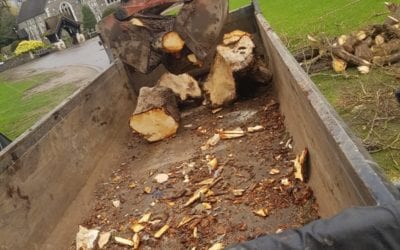
Managing waste is a key part of any construction, renovation, landscaping, or home improvement project. Without a clear disposal plan, debris can quickly pile up — creating hazards, slowing productivity, and making your site harder to manage. That’s why many homeowners and contractors across the UK rely on grab hire for fast, practical waste removal.
But how does Grab Hire actually work? Understanding the process helps you plan more effectively, avoid unnecessary costs, and ensure your waste is handled responsibly.
In this guide, we’ll explain everything you need to know — from what Grab Hire is and how the service operates, to common use cases, planning tips, cost factors, and safety considerations. Whether you’re clearing a garden, digging foundations, or overseeing a building project, this article will help you decide if grab hire is the right choice for your needs.
What Is Grab Hire?
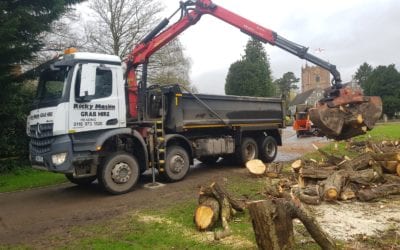
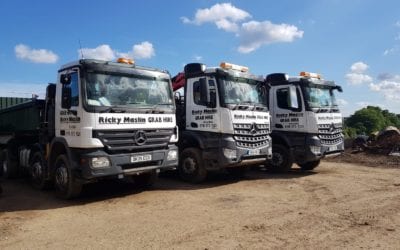
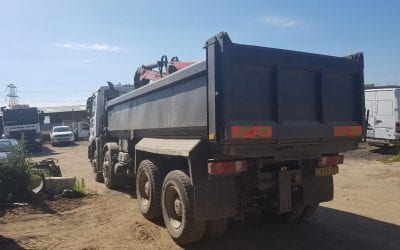
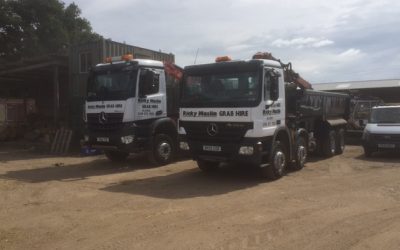
Grab hire is a waste removal service that uses a specialist lorry fitted with a hydraulic arm — commonly called a grab arm — to collect and load materials directly onto the vehicle. The arm extends several metres, allowing the operator to lift waste from areas that might otherwise be difficult to access.
This approach eliminates the need for manual loading and often removes the requirement for a skip altogether.
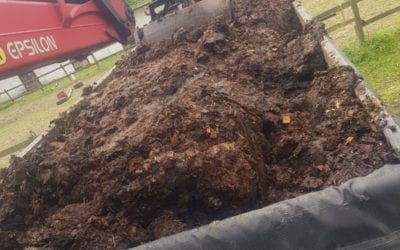
Grab hire is particularly effective for handling heavy or bulky materials such as soil, hardcore, rubble, and green waste. Because the waste is loaded quickly and transported immediately to a licensed recycling or disposal facility, projects can continue without interruption.
How It Differs From Skip Hire
While skips remain useful for gradual waste accumulation, grab hire offers several advantages:
- Faster removal — often completed in a single visit
- No need for onsite permits in many cases
- Less labour required
- Suitable for larger volumes
- Ability to reach over walls and fences
For projects with tight timelines or limited space, these benefits can make a significant difference.
How Grab Hire Works: Step-by-Step
Understanding the typical process allows you to prepare properly and get the most value from the service.
Assess Your Waste
Start by identifying the type and quantity of waste you need removed. Materials are usually measured in cubic metres, so estimating the size of your waste pile is helpful.
A simple formula is:
Length × Width × Height = Cubic Metres
If you’re unsure, many providers accept photos to help recommend the right vehicle.
Accurate estimates reduce the risk of booking a lorry that’s too small — or paying for capacity you don’t need.
Request a Quote
When contacting a provider, you’ll typically be asked for:
- Waste type
- Estimated volume
- Site location
- Access details
- Preferred collection date
Providing clear information allows the supplier to price the job correctly and ensures the appropriate vehicle is dispatched.
Schedule the Collection
Grab hire is often available at relatively short notice, but booking ahead is wise during busy construction periods.
Early scheduling also gives you time to organise the site and prepare waste for efficient loading.
Prepare the Site
Preparation plays a major role in ensuring a smooth collection.
Before the lorry arrives:
- Clear access routes
- Move parked vehicles
- Remove obstacles
- Separate materials where possible
- Identify overhead hazards such as cables or branches
A well-prepared site speeds up the process and reduces the likelihood of delays.
Collection Day
When the grab lorry arrives, the operator positions the vehicle near the waste and begins loading with the hydraulic arm.
The process is typically quick — many collections are completed in under an hour, depending on volume.
For safety, maintain a clear distance while the grab is in operation and follow any instructions provided by the driver.
Transport and Disposal
Once loaded, the waste is taken to a licensed facility where it is sorted for recycling or disposal.
Reputable providers aim to divert as much material as possible from landfill, helping support environmentally responsible construction practices.
You should receive documentation confirming that your waste has been handled correctly, giving you peace of mind and regulatory protection.
Common Uses of Grab Hire
Grab hire supports a wide range of projects across both residential and commercial settings.
Garden Clearance
Removing soil, turf, shrubs, and tree cuttings can generate more waste than expected. Grab Hire simplifies the process by clearing everything quickly.
Construction and Demolition
Broken bricks, concrete, tiles, and masonry are heavy and difficult to move manually. Grab lorries are designed to handle these dense materials efficiently.
Groundworks
Excavation projects often produce significant volumes of soil and hardcore. Regular removal keeps sites safe and organised.
Renovation Projects
Property upgrades frequently involve strip-outs that create mixed debris. Fast removal helps maintain momentum during refurbishment.
Landscaping
Driveway installations, patio removals, and garden redesigns all benefit from reliable waste clearance.
In short, if your project produces large or heavy waste, grab hire is likely worth considering.
What You Can Load Into a Grab Lorry
Most grab hire providers accept a broad range of non-hazardous materials.
Common examples include:
- Soil and topsoil
- Hardcore and rubble
- Concrete and bricks
- Garden waste
- Sand, gravel, and aggregates
- Non-contaminated construction debris
Keeping these materials clean and separated can improve recycling rates and may reduce disposal costs.
What You Cannot Load Into a Grab Lorry
Certain materials require specialist handling and should never be included in standard grab loads.
These typically include:
- Asbestos
- Chemicals and solvents
- Oils and fuels
- Liquid waste
- Electrical equipment
- Tyres
- Medical waste
- Gas cylinders
If prohibited items are found, the load may be rejected or reclassified, often resulting in additional charges.
When in doubt, always confirm acceptance criteria before booking.
Planning Your Grab Hire Service
Thoughtful planning ensures the process runs efficiently.
Measure Waste Carefully
Allow a small buffer to avoid underestimating.
Plan Vehicle Access
Ensure there is enough space for safe positioning and operation.
Consider Permits
If the lorry must park on a public road, local permissions may be required.
Separate Materials
Segregation supports recycling and helps control costs.
Use a Site Checklist
Preparation reduces delays and keeps the collection straightforward.
Good planning transforms grab hire from a reactive solution into a strategic project tool.
Cost Factors: What Influences Grab Hire Pricing?
Several elements affect the overall cost of grab hire.
Waste Type
Inert materials are usually cheaper to process than mixed waste, while hazardous materials demand specialist treatment.
Volume
Larger loads increase total cost but often improve value per cubic metre.
Accessibility
Restricted access can extend loading time and raise charges.
Transport Distance
Travel time and fuel influence pricing.
Permits and Traffic Management
Operating in controlled areas may add fees.
Seasonal Demand
Busy periods can impact availability and pricing.
Obtaining detailed quotes helps you compare services accurately.
Safety Tips and Best Practices
Working near heavy machinery requires awareness and preparation.
- Maintain a safe distance from the grab arm
- Wear appropriate PPE such as gloves and safety boots
- Keep children and pets away from the area
- Ensure clear communication with the operator
- Avoid standing beneath suspended loads
- Keep access routes free from clutter
Safety should always be a priority — not an afterthought.
What We Get Asked…
How far can the grab arm reach?
Most arms extend several metres, allowing operators to collect waste over obstacles.
How much can a grab lorry carry?
Capacity varies by vehicle, but many can remove substantial volumes in one trip.
Do I need to be on-site?
Not always, provided access is clear and instructions are agreed beforehand.
Can I mix soil and garden waste?
This may be accepted, but separating them is often more cost-effective.
What happens if prohibited materials are found?
The load may be rejected or incur additional charges.
How do I estimate waste volume?
Multiply length, width, and height to calculate cubic metres.
Are there different grab lorry sizes?
Yes — providers typically offer various options depending on project scale.
Our Final Say!
Grab Hire offers a fast, reliable, and efficient way to manage waste across a wide range of projects. By understanding how the service works — from assessment and booking through to collection and disposal — you can plan effectively and avoid unnecessary complications.
Accurate waste estimates, proper site preparation, and clear communication with your provider all contribute to a smoother experience. Whether you’re tackling a home improvement project or managing a busy construction site, grab hire can help keep your space safe, organised, and productive.
If you’re unsure about your requirements, seeking professional advice before booking is always worthwhile. With the right preparation in place, grab hire becomes a straightforward solution that keeps your project moving forward.