When you’re planning a construction job, landscaping project, renovation, or large clear-out, one of the most important — yet often overlooked — decisions is how you’ll remove the waste. Underestimate the volume and you could face costly delays. Overestimate it and you may pay for capacity you don’t need.
That’s where choosing the right grab lorry size becomes essential.
Grab lorries offer a fast, efficient way to remove large quantities of soil, rubble, concrete, green waste and mixed construction materials without the hassle of loading skips manually. But not all grab lorries are the same. The size you choose will directly affect your project’s cost, timeline, accessibility and overall efficiency.
In this guide, we’ll walk you through everything you need to know — from understanding the different grab lorry sizes to estimating waste volume and preparing your site properly — so you can book with confidence and keep your project running smoothly.
What Is a Grab Lorry and Why Use One?
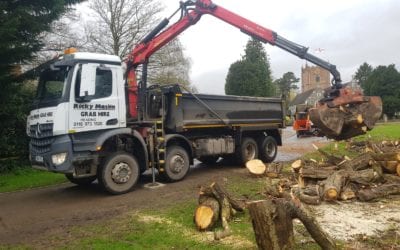
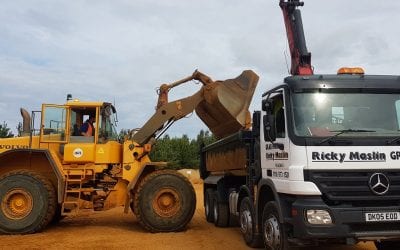
A grab lorry is a heavy-duty vehicle fitted with a hydraulic arm and bucket that can collect waste quickly from your site. Instead of filling a skip over several days, the driver can often load the vehicle in under an hour, dramatically speeding up the clearance process.
One of the biggest advantages is convenience. You don’t need to organise labour to load heavy materials, and there’s no need for multiple collections if you select the right vehicle size from the start.
Grab hire is especially useful when dealing with:
- Excavation waste
- Hardcore and concrete
- Garden soil and turf
- Demolition debris
- Large landscaping removals
It’s also ideal for projects where space is limited. The grab arm can typically reach several metres from the vehicle, meaning waste can be collected even if the lorry cannot park directly beside it.
Compared to skip hire, grab lorries often prove more cost-effective for larger jobs because they remove higher volumes in fewer trips. For busy construction sites or homeowners working to a deadline, that efficiency can make a major difference.
Grab Lorry Sizes Explained
Grab lorries are not one-size-fits-all. Most providers offer three primary options:
- Mini grab lorries
- Standard 6-wheel grab lorries
- Large 8-wheel grab lorries
Each serves a different purpose depending on site access, waste volume and ground conditions. Understanding the strengths of each will help you avoid unnecessary costs and logistical headaches.
Let’s break them down.
Mini Grab Lorries — Compact and Practical
Mini grab lorries are designed for locations where access is restricted. Think narrow streets, tight driveways, residential developments or older properties where space is limited.
What defines a mini grab?
Typically smaller in both width and length, mini grabs usually carry around 4–6 cubic metres of waste. While that may sound modest, it’s often more than enough for domestic projects.
Ideal uses
Mini grabs are perfect for:
- Garden clearances
- Patio or driveway removals
- Small renovation projects
- Shed demolitions
- Soil removal
Their compact footprint allows them to manoeuvre into spaces larger vehicles simply cannot reach.
Advantages
The biggest benefit is accessibility. Rather than blocking roads or requiring special arrangements, a mini grab can often park safely on a residential driveway.
They are also generally cheaper per visit than larger vehicles, making them a smart choice for smaller loads.
Limitations
Capacity is the obvious drawback. If your waste volume is larger than expected, you may need multiple collections — which can quickly outweigh the initial savings.
Real-world example
Imagine removing an old concrete patio from a terraced property with restricted street parking. A full-size lorry might struggle to position safely, but a mini grab could complete the job in one visit without disrupting neighbours.
For many homeowners, it’s the perfect balance of size and practicality.
Standard 6-Wheel Grab Lorries — The Most Popular Choice
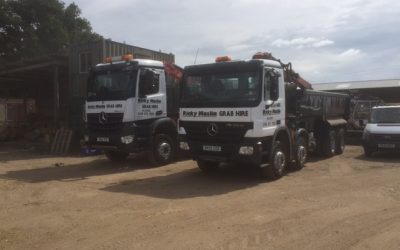
The 6-wheel grab lorry is often considered the industry workhorse. It strikes an excellent balance between carrying capacity and site accessibility.
Capability
These vehicles typically hold around 10–12 cubic metres — roughly double that of a mini grab — making them suitable for both domestic and mid-sized commercial projects.
Why contractors favour them
Builders frequently choose 6-wheelers because they reduce the need for repeat collections while still fitting into many residential areas.
The grab arm usually reaches up to about 7–8 metres, allowing operators to collect waste from behind fences, over walls, or across small obstacles.
Best use cases
You’ll often see standard grab lorries used for:
- Home extensions
- Kitchen refurbishments
- Medium landscaping works
- Driveway excavations
- Small demolition jobs
Pros
- Strong carrying capacity
- Versatile across project types
- Cost-effective for medium volumes
- Fewer journeys compared to mini grabs
Cons
They do require reasonable access. Tight cul-de-sacs, weak driveways or restricted parking may present challenges.
Still, if you’re unsure which size to choose, this is often the safest starting point.
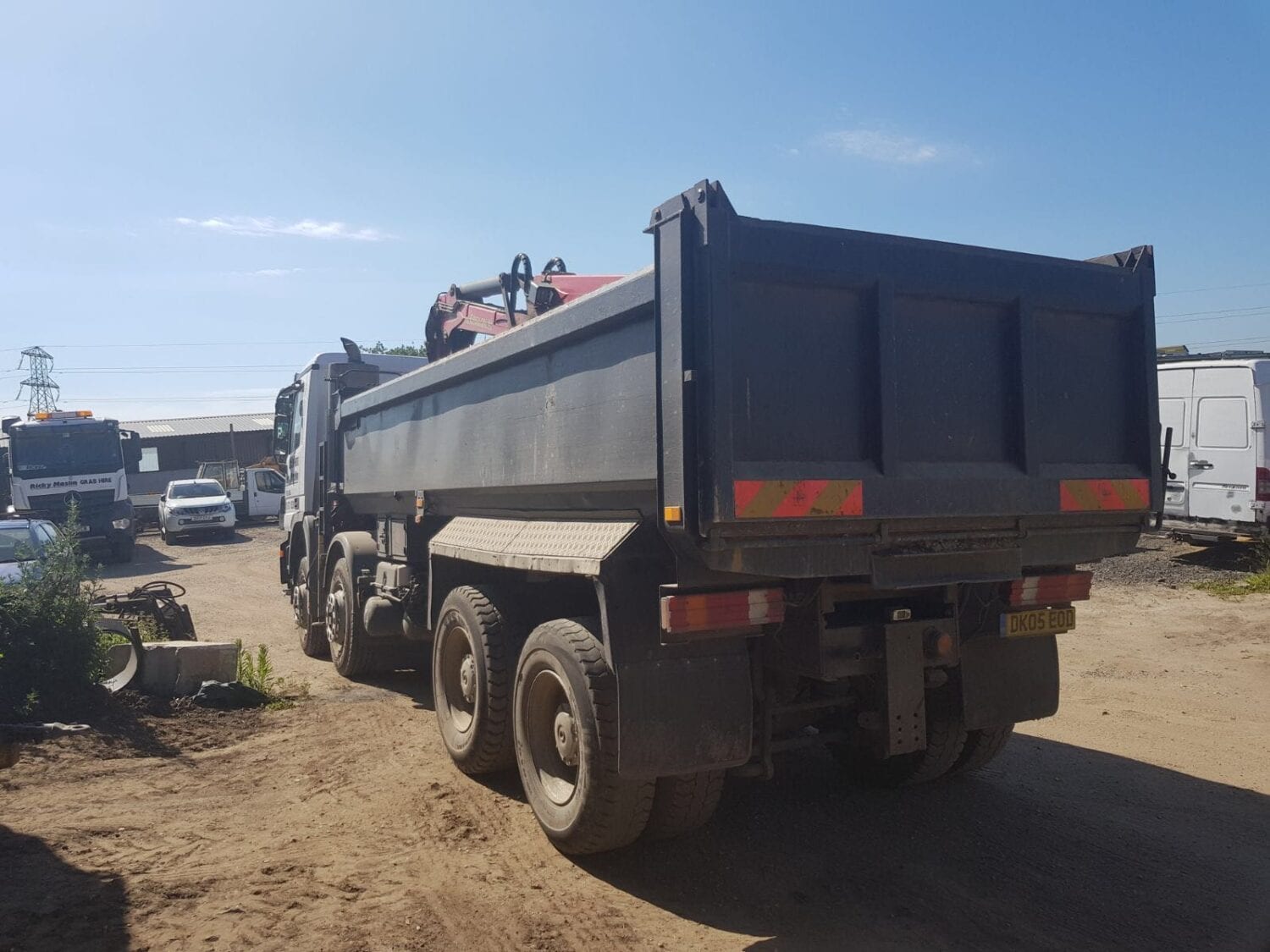
Large 8-Wheel Grab Lorries — Maximum Power and Volume
When waste volumes climb and deadlines tighten, the 8-wheel grab becomes the go-to solution.
Capacity
These vehicles can typically remove 16–20 cubic metres in one visit — ideal for major construction work.
Where they excel
Large grabs are commonly used on:
- Commercial developments
- Groundworks projects
- Bulk excavations
- Site clearances
- Infrastructure works
By removing huge quantities quickly, they help keep large projects on schedule.
Access considerations
However, size brings challenges.
An 8-wheeler is significantly heavier — often exceeding 30 tonnes when fully loaded — so ground strength is critical. Soft surfaces or recently landscaped areas may not support the weight.
Turning circles, overhead cables and road width must also be checked in advance.
Advantages
- Highest capacity available
- Fewer trips required
- Faster site clearance
- Excellent for high-volume waste
Drawbacks
- Requires strong, wide access routes
- Higher per-visit cost
- Not suitable for many residential streets
For large-scale projects, though, the efficiency usually outweighs these limitations.
How to Choose the Right Size — Key Factors to Consider
Selecting the right grab lorry isn’t just about volume. Several practical factors should influence your decision.
Access width and height
Measure entrances, gates and roads before booking. A larger vehicle is useless if it cannot physically reach your waste pile.
Don’t forget to check for:
- Narrow approach roads
- Height restrictions
- Sharp turns
- Parked vehicles
Overhead obstacles
Tree branches, balconies and power lines can restrict the movement of the grab arm. Even if the lorry fits, the arm still needs space to operate safely.
Ground conditions
Heavy vehicles require stable ground. After prolonged rain, soil can soften, increasing the risk of sinking or surface damage.
If you’re unsure, speak with your provider — they may recommend protective boards or an alternative vehicle.
Material type and density
Weight matters just as much as volume.
For example:
- Clay and concrete are extremely heavy
- Green waste is comparatively light
A vehicle may reach its weight limit before it is visually full.
Parking restrictions
If the lorry must stop on a public road, you may need permits or traffic management. Planning ahead avoids last-minute complications.
Project deadlines
Working to a tight schedule? Choosing a larger lorry might cost more upfront but could save days in clearance time.
Efficiency often equals savings.
Estimating Your Waste Volume
Accurate estimation prevents unnecessary trips and surprise costs.
A simple way to calculate cubic metres is:
Length × Width × Height
For example, a pile measuring 3m long, 2m wide and 1m high equals 6 cubic metres — roughly a mini grab load.
If your waste is irregularly shaped, round up rather than down. It’s always safer to allow extra capacity.
Better yet, take photos and share them with your grab hire provider. Experienced operators can often estimate volume quickly and recommend the most suitable vehicle.
Remember — underestimating is usually more expensive than slightly overestimating.
Practical Site Preparation Tips
A little preparation goes a long way in ensuring smooth collection day.
Clear access routes
Move vehicles, bins and materials that could block entry.
Position waste strategically
Place it as close as possible to where the lorry will park. The shorter the reach required, the faster the loading.
Identify hazards
Look for low cables, overhanging gutters or fragile covers.
Protect surfaces
If the ground is delicate, consider boards to distribute weight.
Preparation reduces loading time, improves safety and helps avoid unexpected delays.
What Affects Grab Hire Costs?
Grab hire pricing varies depending on several factors, and understanding them helps you budget more accurately.
Vehicle size
Larger lorries cost more per visit but often deliver better value per cubic metre.
Waste type
Certain materials are more expensive to dispose of due to processing requirements.
Location
Distance from the depot can influence transport costs.
Permits
Road permits or traffic control may add to the total.
Number of loads
Choosing the correct size from the outset usually keeps overall costs lower.
When comparing quotes, focus on reliability and service — not just price. A dependable operator can prevent costly disruptions.
What We Get Asked…
Can a grab lorry fit on a standard driveway?
Often yes for mini grabs, sometimes for 6-wheelers, rarely for 8-wheelers. Always confirm dimensions beforehand.
How far can the grab arm reach?
Most arms extend between 6 and 8 metres, though this varies by vehicle.
What happens if access isn’t possible?
Providers typically reassess on arrival and may suggest repositioning the vehicle or switching to a smaller option.
Do I need to be present?
Not always — as long as access is clear and instructions are provided.
Our Final Say!
Choosing the right grab lorry size is more than a logistical detail — it’s a decision that can influence your project’s speed, cost and overall success.
Mini grabs offer flexibility for tight residential spaces. Standard 6-wheelers provide the ideal middle ground for most projects. Large 8-wheel vehicles deliver unmatched efficiency for high-volume work.
By measuring access, estimating waste accurately and preparing your site properly, you can avoid common pitfalls and keep everything running to plan.
If you’re ever uncertain, seek professional advice before booking. A quick conversation with an experienced provider can save both time and money — and ensure your project progresses without unnecessary setbacks.
Plan smart, choose carefully, and your waste removal will be one less thing to worry about.