Managing waste is one of the most overlooked challenges in home improvement and construction projects. Whether you’re renovating a property, redesigning a garden, or overseeing groundworks, debris can accumulate quickly — creating hazards, slowing progress, and making your space feel disorganised.
This is where grab hire services can make a significant difference. Designed to efficiently remove large volumes of waste, grab lorries help keep sites clear without the delays often associated with traditional disposal methods. Instead of filling a skip over several days, materials can be collected in a single visit, allowing your project to move forward with minimal disruption.
We’ll walk through practical tips for using Grab Hire effectively. You’ll learn how to plan ahead, organise waste, position materials correctly, maintain safety, and reduce costs — all while keeping your home or worksite tidy and professional.
Understanding Grab Hire Services
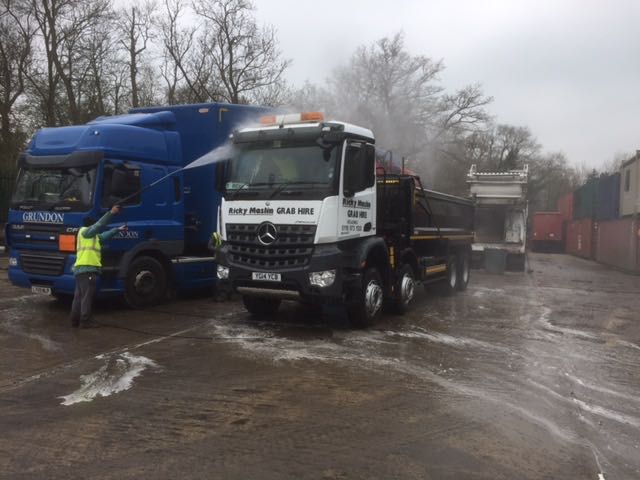
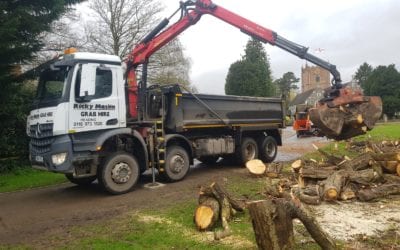
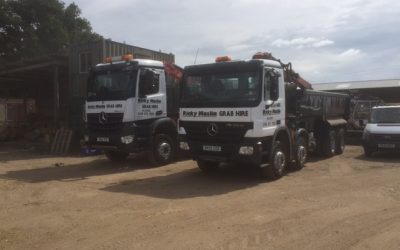
Grab hire involves the use of a specialist vehicle equipped with a hydraulic arm that lifts and removes waste directly from your property or site. The grab arm can typically reach several metres, allowing materials to be collected over walls, fences, or obstacles without manual loading.
This makes grab hire especially useful when dealing with heavy or bulky waste that would otherwise require significant labour to move.
Common scenarios where grab hire proves valuable include:
- Garden clearances
- Driveway excavations
- Renovation debris removal
- Soil and hardcore disposal
- Demolition projects
- Landscaping work
Compared to skip hire, grab lorries often provide faster turnaround times. There’s no waiting for a container to fill, and once the waste is loaded, it’s transported directly to a licensed recycling or disposal facility.
For projects operating on tight schedules, that efficiency can be invaluable.
Why Clean Worksites Matter
A tidy workspace isn’t just about appearances — it directly affects safety, productivity, and overall project success.
Safety and Efficiency
Loose debris creates trip hazards, obstructs access routes, and increases the likelihood of accidents. Keeping waste under control helps maintain clear pathways for workers and machinery, reducing downtime caused by avoidable incidents.
Planning and Professionalism
Well-organised sites tend to run more smoothly. When materials are stored properly and waste is removed promptly, tasks can be completed in a logical sequence without unnecessary interruptions.
For contractors, a clean site also reflects professionalism and can inspire greater confidence among clients.
Legal and Environmental Responsibility
In the UK, anyone producing waste has a duty of care to ensure it is disposed of responsibly. Working with authorised carriers and ensuring materials are handled correctly helps you stay compliant with regulations while supporting recycling efforts.
Good waste management isn’t just practical — it’s part of responsible project delivery.
Pre-Hire Planning: Set Yourself Up for Success
Preparation is one of the most effective ways to maximise the benefits of grab hire.
Estimate Waste Volume Accurately
Before booking, take time to calculate how much waste you expect to generate. A simple formula can help:
Length × Width × Height = Cubic metres
Underestimating volume often results in additional collections, while overestimating may lead to unnecessary expense.
Common mistakes to avoid:
- Forgetting about hidden sub-base materials
- Ignoring soil swell after excavation
- Assuming piles are smaller than they appear
When in doubt, share photos with your provider for guidance.
Sort Waste Onsite
Separating materials makes disposal more efficient and can lower costs. Clean loads are easier to process than mixed waste, which often requires additional sorting.
Create dedicated piles for materials such as soil, hardcore, and green waste wherever possible.
Plan Access and Placement
Consider where the grab lorry will park and how easily it can reach the waste.
Check for:
- Narrow entrances
- Overhead cables or tree branches
- Parked vehicles
- Soft ground
Ensuring clear access prevents delays on collection day.
Check Legal Requirements
If the vehicle needs to stop on a public road, permits may be required. You should also receive documentation, such as a Waste Transfer Note, confirming that your waste is handled correctly.
Planning ahead helps you avoid last-minute complications.
Smart Waste Segregation Tips
Efficient waste separation improves both safety and cost control.
Soil and Hardcore
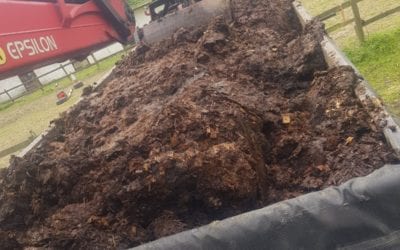
Keep these materials together, as they are typically classified as inert waste and are often cheaper to dispose of.
Green Waste
Separate garden cuttings from heavier debris. Excess moisture can increase weight and affect transport efficiency.
Construction Materials
Items such as tiles, plaster, timber, and metals should be grouped logically. This supports recycling and simplifies processing.
Hazardous Materials
Always identify and isolate potentially hazardous items. These require specialist handling and should never be mixed into general loads.
Quick segregation checklist:
- Label piles clearly
- Avoid sweeping mixed debris into soil heaps
- Keep liquids away from dry waste
A little organisation can deliver meaningful savings.
Grab Hire Placement Best Practices
Where you position your waste plays a major role in how smoothly the collection goes.
- Choose stable, level ground whenever possible
- Place waste within easy reach of the grab arm
- Avoid blocking driveways or neighbouring access
- Protect delicate surfaces with boards if needed
Efficient placement speeds up loading and reduces the risk of property damage.
Time-Saving Loading Strategies
Even though the driver operates the grab, preparing your waste correctly can speed up the process.
- Stack dense materials neatly rather than spreading them out
- Avoid overfilling piles beyond safe heights
- Keep edges tidy to prevent loose debris
- Use tools instead of handling sharp materials directly
Quick efficiency checklist:
- Consolidate smaller piles
- Remove obstacles beforehand
- Provide clear instructions if you’re not on-site
The quicker the loading process, the sooner your site is clear.
Cost-Saving Tips
Smart planning doesn’t just improve efficiency — it protects your budget.
Separate Heavy and Light Materials
Mixed loads can increase disposal charges.
Reduce Repeat Visits
Accurate volume estimates help ensure the right vehicle is booked.
Book Early
Peak construction seasons often bring higher demand.
Being too small may require multiple trips; being too large may cost more than necessary.
For example, separating clean soil from mixed debris can significantly reduce tipping fees compared to disposing of everything together.
Safety Tips When Using Grab Hire
Working around heavy machinery requires awareness and preparation.
- Wear appropriate PPE such as gloves and safety footwear
- Maintain a safe distance from the grab arm
- Establish clear communication with the driver
- Keep children and pets away from the work area
- Be mindful of the weather — wet conditions can create unstable ground
Do:
- Mark hazards clearly
- Keep access routes open
- Follow operator guidance
Don’t:
- Stand beneath the grab arm
- Overload piles
- Attempt to adjust materials while loading is underway
Prioritising safety protects everyone involved.
Common Mistakes and How to Avoid Them
Even well-planned projects can run into trouble without proper preparation.
Underestimating waste volume
Always allow a small buffer.
Mixing prohibited materials
Confirm acceptance criteria beforehand.
Blocking access points
Ensure the vehicle has enough room to operate safely.
Ignoring permits
Check local requirements early.
Leaving bookings until the last minute
Availability may be limited during busy periods.
Avoiding these pitfalls keeps your project on schedule.
What We Get Asked…
How far can a grab arm reach?
Most arms extend several metres, allowing collection over obstacles.
Do I need to be present during loading?
Not necessarily, as long as access is clear and instructions are provided.
Can I combine soil and garden waste?
This may be accepted, but separating them is often more cost-effective.
What materials are typically not allowed?
Hazardous substances, liquids, and certain controlled wastes usually require specialist disposal.
How do I calculate waste volume?
Multiply length, width, and height to estimate cubic metres.
Only if the vehicle must operate on a public road can your provider advise.
Our Final Say!
Using Grab Hire effectively is largely about preparation. By accurately estimating waste, separating materials, planning access, and maintaining safe working conditions, you can streamline your project and avoid unnecessary costs.
A clean site supports better productivity, improves safety, and reflects a professional approach — whether you’re managing a construction project or upgrading your home.
If you’re unsure about any aspect of the process, seeking guidance before booking can prevent complications later. With the right planning and communication, grab hire becomes a straightforward and highly efficient solution for keeping your home or site clear from start to finish.